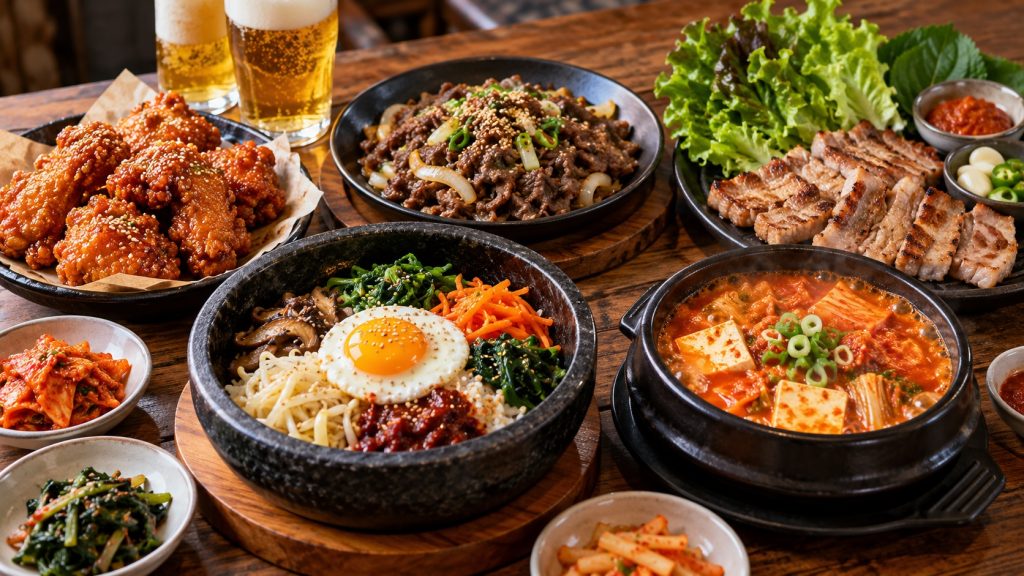
For a first Korean meal, compare fried chicken, bulgogi, bibimbap, samgyeopsal and kimchi jjigae by serving size and ingredients. A dish name does not tell you whether rice is included or how many people an order serves. This guide explains ordering choices rather than rating individual restaurants.
Recognise five Korean dishes: pictures and ordering tips
Use the images below to recognise the food, then check the actual menu for ingredients, portion size and included items. The images illustrate dish styles; menu details vary by restaurant.
1. Korean fried chicken — 치킨
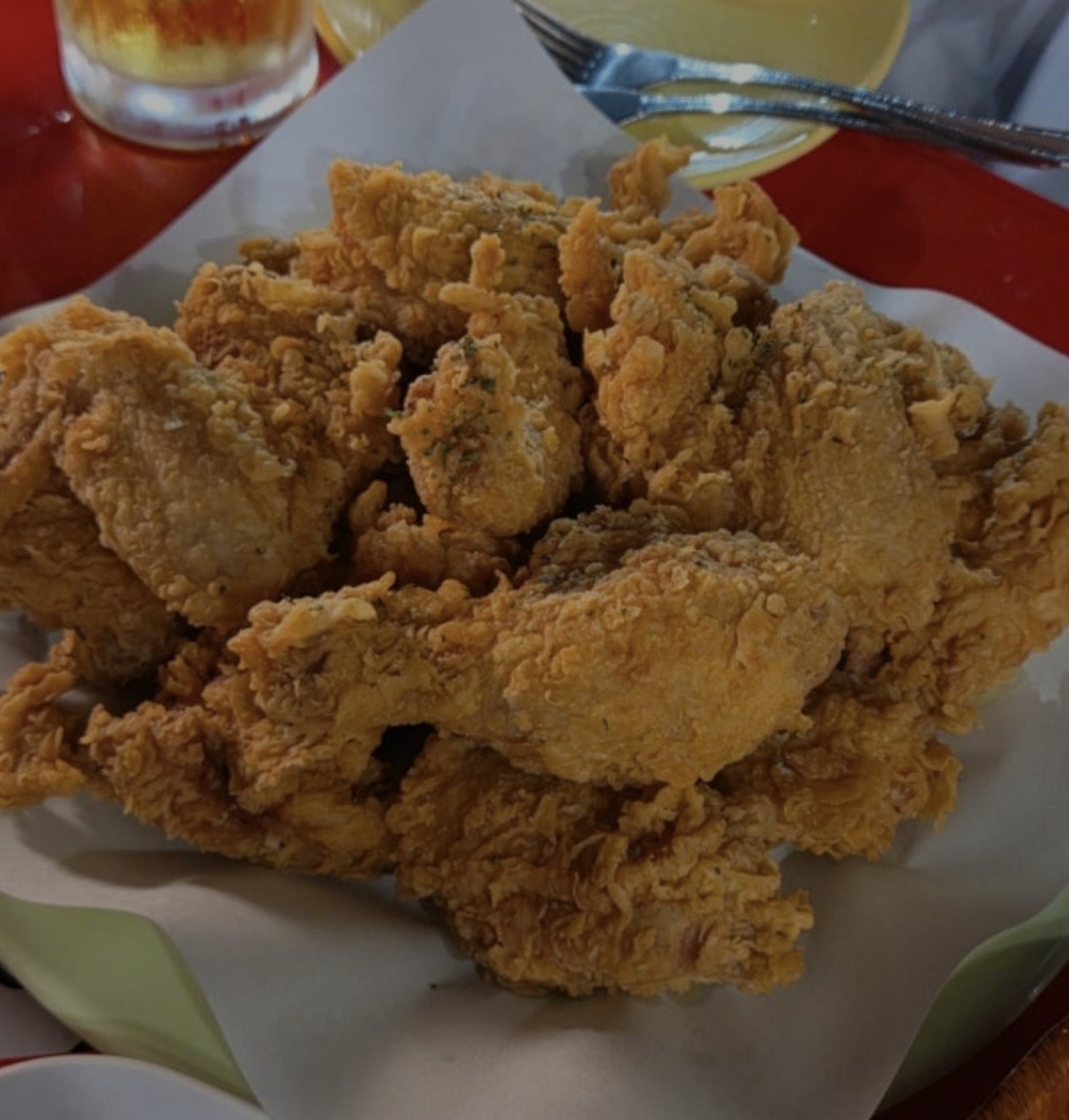
The supplied image shows fried pieces with a golden coating. A picture can help you identify the style, but it does not establish whether an order is boneless or how many people it serves. Compare the actual menu’s bone-in and boneless options, and ask whether a half-and-half order changes the price. Chimaek means chicken paired with beer; beer is a separate choice.
Show staff: 뼈 있는 치킨인가요, 순살인가요? — Is this bone-in or boneless chicken?
2. Bulgogi — 불고기
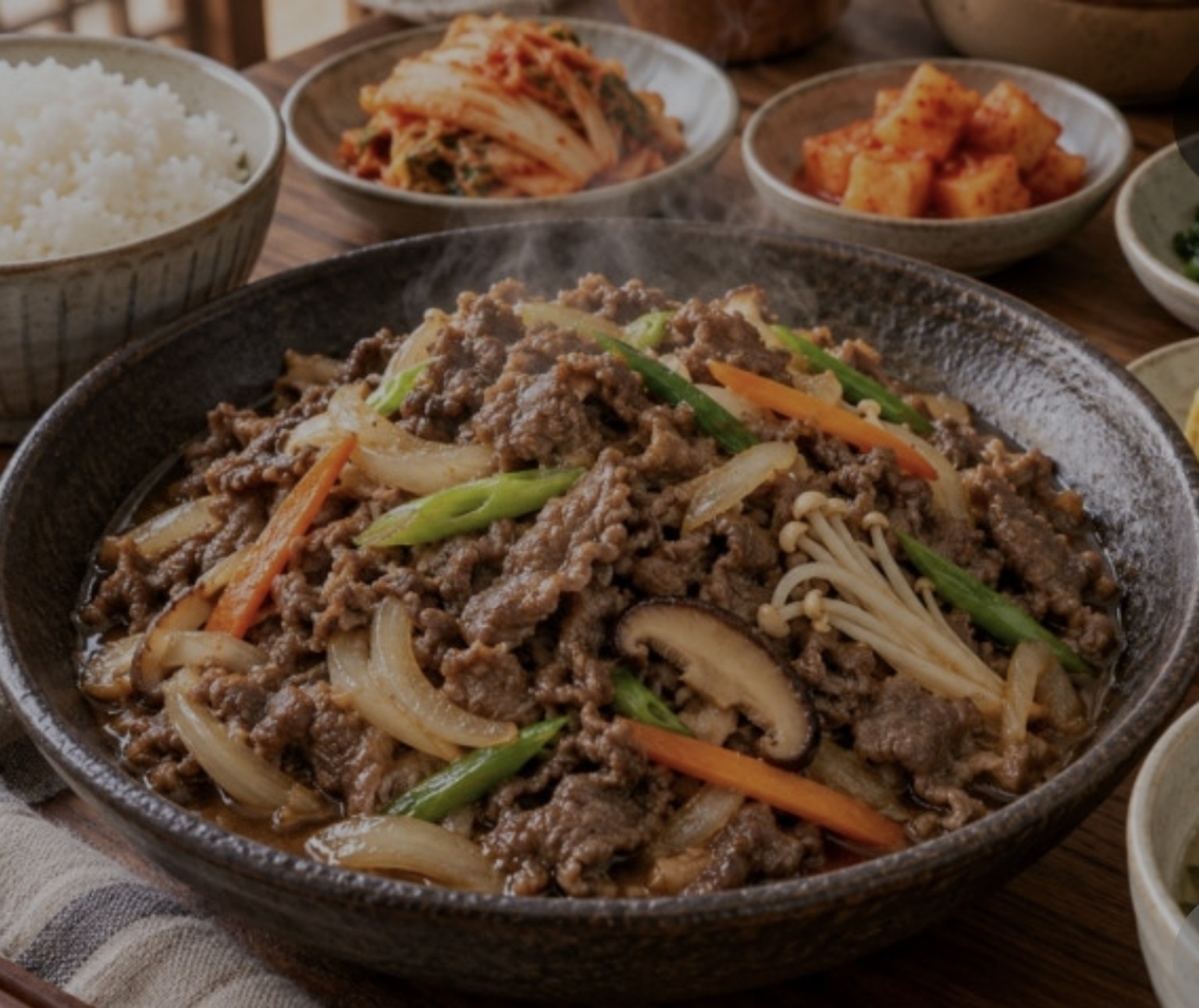
Notice the thin meat slices mixed with onions and mushrooms. Bulgogi is marinated meat, commonly beef, but the menu determines the meat and seasoning. The important ordering distinction is a single-person rice set versus a shared meat dish. The rice pictured beside a dish does not prove it is included in the restaurant’s price.
Show staff: 불고기 정식인가요? 밥이 포함되어 있나요? — Is this a bulgogi set meal? Is rice included?
3. Bibimbap — 비빔밥
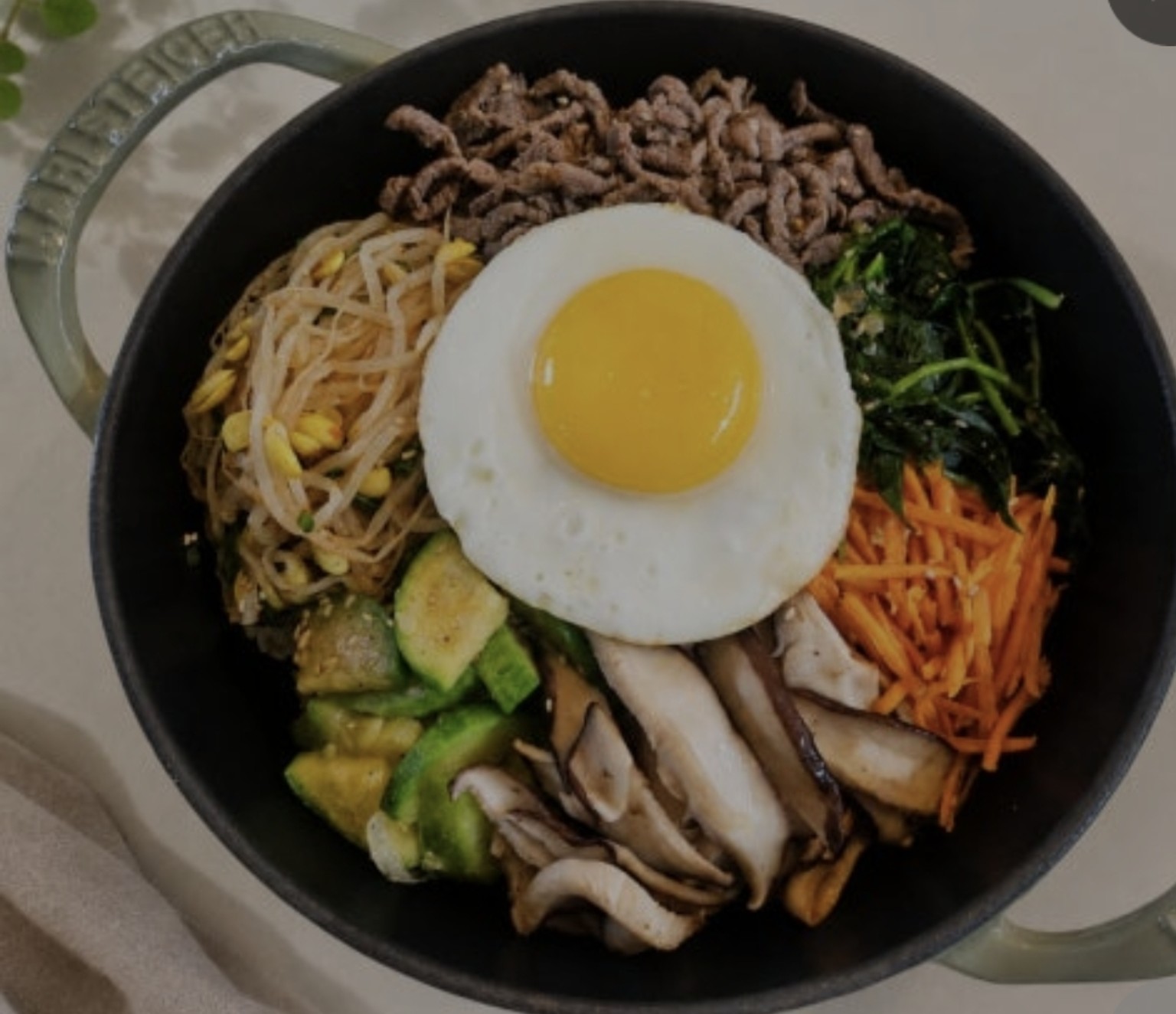
The image makes the separate toppings easy to see: bean sprouts, mushrooms, sliced vegetables, meat and egg. Mix the rice and toppings together when you are ready to eat. If you want to control the heat, ask for gochujang separately and add a little at a time. Vegetables on top do not make this version vegan; ask about meat, egg, sauce and preparation. A hot stone-bowl version also needs care because the bowl stays hot.
Show staff: 고추장은 따로 주세요. — Please serve the gochujang separately.
4. Samgyeopsal — 삼겹살
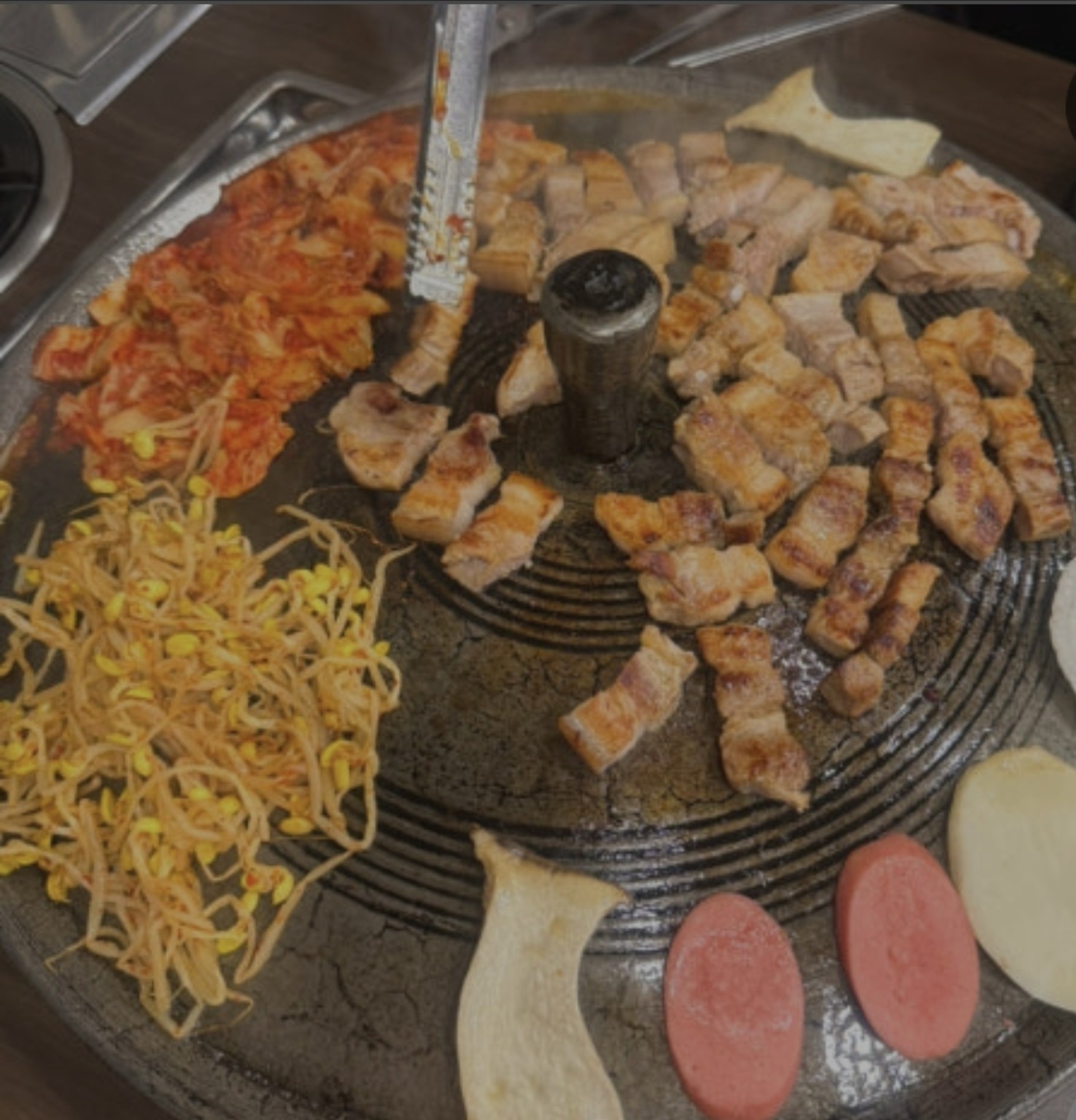
Here, pieces of pork belly cook on a tabletop grill rather than arriving as an individual plated meal. The foods alongside the meat show why you should look beyond the headline meat price: accompaniments, portions and extras differ by restaurant. Confirm the grams per serving, minimum number of portions and whether staff will cook the meat. Use separate utensils for raw and cooked meat and let the pork cook thoroughly before eating.
Show staff: 최소 몇 인분 주문해야 하나요? — What is the minimum number of portions we need to order?
5. Kimchi jjigae — 김치찌개

Look for the kimchi, tofu and meat rather than identifying the dish only by its red colour. The photo illustrates one version; other menus use pork, tuna or different additions, and broth or kimchi can contain seafood ingredients. Ask whether the price covers one person or a shared pot, and whether rice is included. A large-looking pot in a photograph is not a reliable portion guide.
Show staff: 이 찌개는 몇 인분인가요? 공깃밥이 포함되어 있나요? — How many people does this stew serve? Is rice included?
For background on Korean dishes and meal customs, see the Korea Tourism Organization’s Korean food introduction.
Choose the order size for your group
A solo meal versus a shared dinner
For one diner, begin with an explicitly single-person bibimbap, stew set or bulgogi meal and check the menu’s minimum order. For two diners who want barbecue, clarify the starting meat order and add rice or noodles after confirming the total. A chicken order may be shared, but the portion and appetite of your group still matter.
Read the bill before comparing restaurants
Example A: two assumed set meals at 12,000 won each cost 24,000 won. Example B: three assumed meat servings at 16,000 won, plus two rice portions at 2,000 won, cost 52,000 won. These are made-up arithmetic examples, not current restaurant prices. The comparison shows why a cheap per-serving price can still produce a larger total.
Useful questions to show staff
“이 메뉴는 몇 인분인가요?” — How many people does this serve?
“밥이 포함되어 있나요?” — Is rice included?
“최소 주문은 몇 인분인가요?” — How many portions is the minimum order?
“이 재료가 들어가나요?” — Does this contain this ingredient?
For an ingredient you must avoid, show its specific Korean name and ask the restaurant about both the dish and preparation. A general description here cannot establish what an individual kitchen uses.
Choose sauce, sides and extra orders separately
Ask for sauce separately when possible rather than assuming the dish is mild. Side dishes differ by restaurant; check whether any extra or refill incurs a charge. A menu description such as vegetable, mild or homemade does not replace asking about the ingredients that matter to your group.
Where to try these dishes in Seoul
The restaurant suggestions below come from Seoul Tourism Organization listings. Pick a place near your existing route; the five dishes do not require five separate journeys.
Fried chicken: BHC Sadang Branch
Visit Seoul lists BHC Sadang Branch at 16 Dongjak-daero 7-gil, Dongjak-gu, near Sadang Station on Lines 2 and 4. Search “BHC 사당” and match the address before travelling. Start by choosing bone-in or boneless and a plain or seasoned option from the branch’s actual menu; check the size before adding a second order.
Bulgogi: Wooraeok in central Seoul
Wooraeok’s tourism listing includes bulgogi at 62-29 Changgyeonggung-ro, Jung-gu, near Euljiro 4-ga Station. Its listed regular closing day is Monday. Confirm the minimum meat order and rice charge before comparing the meal with a single-person bulgogi rice set elsewhere.
Bibimbap: Hanguk Jip at Lotte World Mall
Hanguk Jip’s listing places it on the mall’s fifth floor, 300 Olympic-ro, Songpa-gu. The listed Jeonju bibimbap is 15,000 won and yukhoe bibimbap is 17,000 won. These are the tourism page’s listed prices checked on October 4, 2026, not a live menu quotation. Yukhoe refers to raw beef; choose the actual menu you intend to eat rather than treating the two bowls as interchangeable.
Samgyeopsal and kimchi jjigae: Eunjujeong
Eunjujeong’s listing identifies grilled pork belly and kimchi stew at 32 Changgyeonggung-ro 8-gil, Jung-gu, near Euljiro 4-ga Station. Sunday is listed as a regular closing day. Ask which meal is served at your arrival time and whether stew is ordered separately or included with a meat order; the listing does not establish the current lunch and dinner package rules.
A simple way to choose
For a Jamsil shopping day, the mall bibimbap option keeps the meal in your existing area. For an Euljiro day, compare Wooraeok and Eunjujeong by the dish you want and their closing days. Use Sadang for chicken when it already fits your journey, rather than crossing Seoul solely to complete this list.
Addresses, featured dishes and the specific listing information above were checked against Visit Seoul on October 4, 2026. Confirm current opening, availability and the displayed menu with the branch. For a timed meal, ask about reservations and the expected wait.
Plan one meal around your day
Choose an individual set when you have a short lunch break or are dining alone. Leave more time for a shared grill meal, since ordering, cooking and extra dishes can take longer. Check the restaurant’s last order before arriving after sightseeing. Use the Korean BBQ guide for grill ordering and the Seoul market guide when comparing a market meal.